November 20, 2026
Establishing a healthy, resilient lawn requires choosing the right planting method for your specific site conditions and terrain. Many homeowners, general contractors, and commercial property managers face significant landscape challenges such as uneven yard surfaces, rocky subsoils, or severe runoff during seasonal rainstorms. Selecting the proper approach ensures uniform seed germination, robust root systems, and durable turf that thrives throughout changing weather patterns across the Pacific Northwest region. Property owners who evaluate their land conditions early can prevent common landscape setbacks and cultivate thriving outdoor spaces.
Deciding when hydroseeding represents the ideal approach depends on acreage, ground grading, and vegetative goals. The process blends premium turf seed, moisture-retentive mulch fibers, balanced starter fertilizer, and binding tackifiers into a cohesive slurry. This specialized application delivers consistent ground cover across vast expanses and steep grades where conventional dry broadcast seeding often struggles to establish strong, uniform roots.
Evaluate Soil Conditions and Yard Slopes
Soil composition directly dictates how effectively grass roots penetrate the ground and absorb vital nutrients. Heavy clay resists water penetration and compacts easily under regular foot traffic, while porous sandy dirt loses moisture rapidly before seeds can germinate. Performing a thorough site evaluation reveals the texture, compaction level, and organic content of your native topsoil. Addressing underlying ground imbalances with tailored amendments, compost topdressing, or proper aeration creates a fertile bed receptive to hydroseeding.
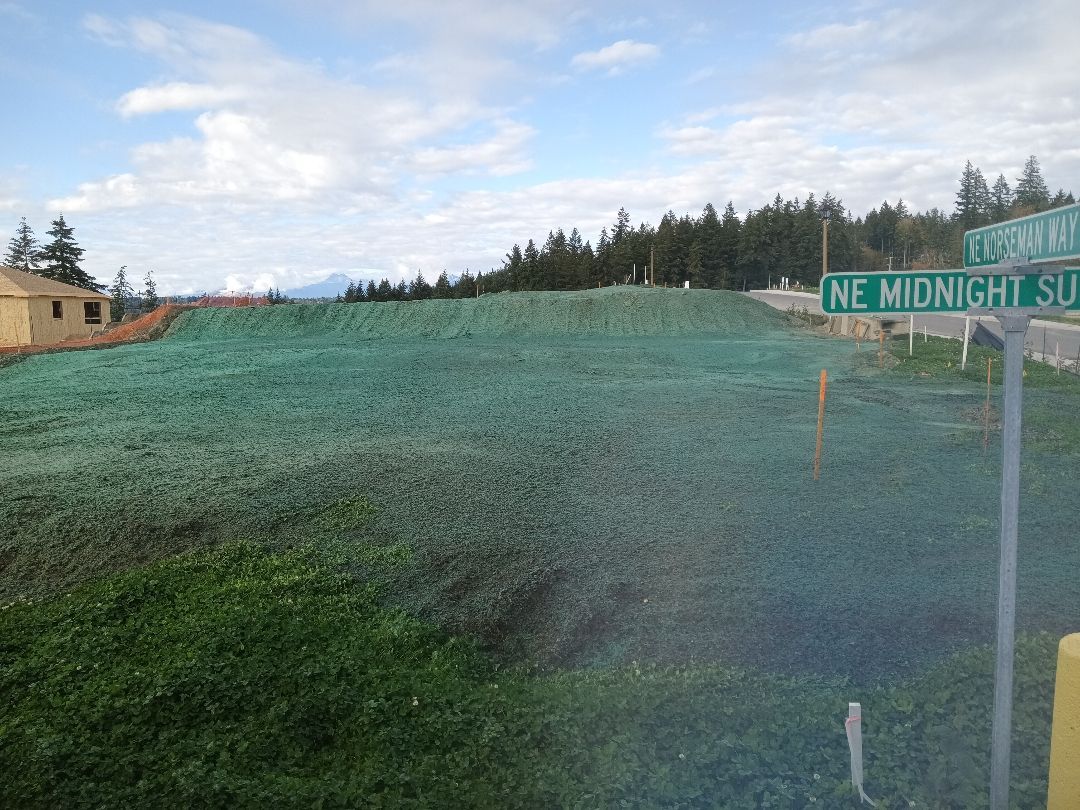
Sloped properties introduce serious difficulties for conventional broadcast seeding, as seasonal rainfall washes bare seed down hillsides before rooting occurs. High-velocity runoff strips fine topsoil particles and leaves unsightly rills along exposed roadside embankments, drainage paths, and residential slopes. Applying a slurry with specialized tackifiers binds the seed securely to sloping ground, locking moisture in place and preventing seed migration. This mechanical cohesion shields vulnerable hillsides from wind displacement while establishing uniform vegetative cover across challenging inclines, steep grades, and roadside ditches.
Compare Seeding Methods and Coverage Options
Property owners often weigh broadcast seeding, sodding, and modern spray application when planning a new lawn installation. Hand seeding requires intensive labor across larger plots and frequently leaves thin, patchy sections prone to opportunistic weed growth. Sod provides immediate aesthetic appeal, yet the heavy slabs require intensive physical placement, extensive ground preparation, and constant saturation to prevent root shrinkage. Through hydroseeding, technicians distribute grass varieties evenly across every contour, ensuring uniform density without visible seams or patchy gaps.
Expansive open ground requires efficient mechanical techniques to achieve full coverage within favorable seasonal windows. According to The Spruce, an average quarter-acre residential parcel contains between 8,300 and 9,400 square feet of yard once the living structure is omitted. Managing open spaces of this dimension demands equipment capable of blanketing large areas smoothly without tedious manual spreading. Pairing hydraulic slurry delivery with bark blowing across adjacent ornamental borders produces clean, well-defined landscape transitions across sizable residential and commercial properties.
Prepare Ground Surfaces and Organic Amendments
Thorough ground preparation remains essential before applying any seed slurry to residential or commercial grounds. Skilled crews clear heavy debris, remove stubborn rocks, and level irregular ground contours to promote uniform drainage away from building foundations and walkways. Heavy rock slinging equipment helps place necessary aggregate, structural gravel, and clean topsoil into low depressions or utility trench lines before hydroseeding begins. Once the base grading is established, light raking loosens the top layer so the slurry bonds directly with bare earth.
Soil nourishment ensures the new grass develops robust resistance against seasonal stressors, drought conditions, and opportunistic pests. Incorporating organic compost or aged mulch into depleted soil improves natural aeration and water retention across the yard. Technicians adjust soil pH and nutrient balances based on regional soil chemistry, fostering a welcoming microbial environment for tender root hairs. Tailoring the soil composition prior to planting establishes the biological groundwork for enduring turf health. This meticulous preparation ensures the seeds receive sustained moisture and fertility from the moment the specialized slurry contacts the ground.
Distribute Protective Slurry and Grass Seed
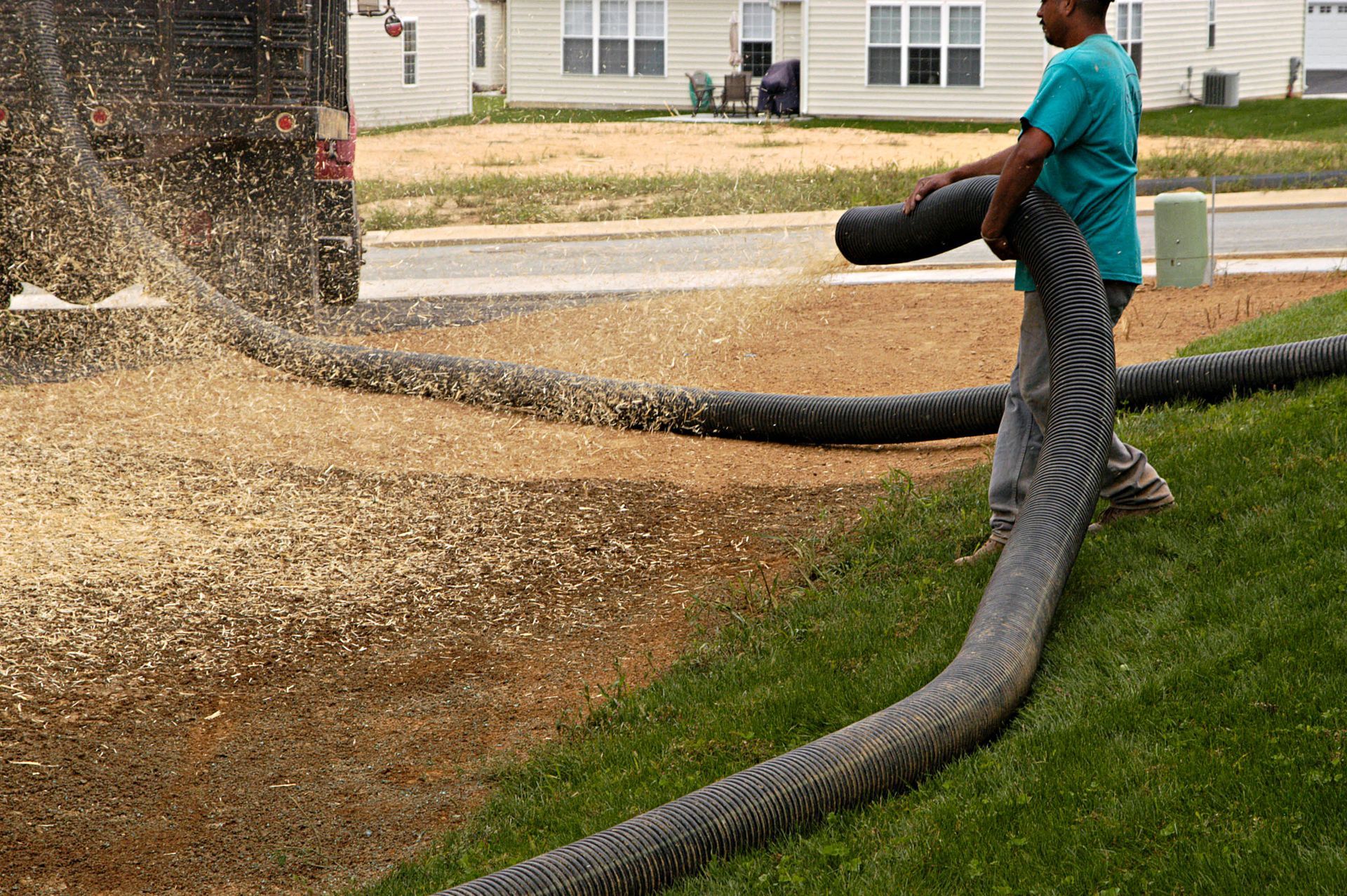
Uniform distribution of the hydraulic mixture ensures every square foot receives an equal concentration of viable seeds, mulch fibers, and starter nutrients. Specialized mixing tanks agitate the materials into a homogenous suspension, preventing clumps and maintaining continuous slurry consistency throughout the application. Technicians spray the green mixture using high-capacity hoses, coating the ground smoothly even in narrow spaces between hardscape features. The resulting fibrous mat shields delicate seeds from intense sunlight, drying winds, and foraging birds.
Selecting custom seed varieties tailored to regional rainfall patterns, shade levels, and foot traffic ensures long-term turf survival. Cool-season fescues, perennial ryegrasses, and hardy Kentucky bluegrass blends perform admirably across temperate climates, while durable groundcovers suit dry, unshaded exposures. Mulch fibers inside the mixture retain hydration efficiently, accelerating early root development and producing visible green growth within several days of hydroseeding application.
Establish Proper Irrigation and Mowing Habits
Consistent moisture management during the first few weeks determines the density and vigor of your new turf. Light, frequent watering cycles keep the protective mulch layer damp without saturating the ground or creating standing puddles that wash away seedlings. As the young seedlings anchor into the native soil, caretakers transition to deeper, less frequent irrigation cycles that encourage roots to reach downward for groundwater reserves. Establishing deep root systems shields emerging turf from seasonal dry spells and heat. Observing local rainfall patterns allows property owners to modify watering routines to avoid overwatering.
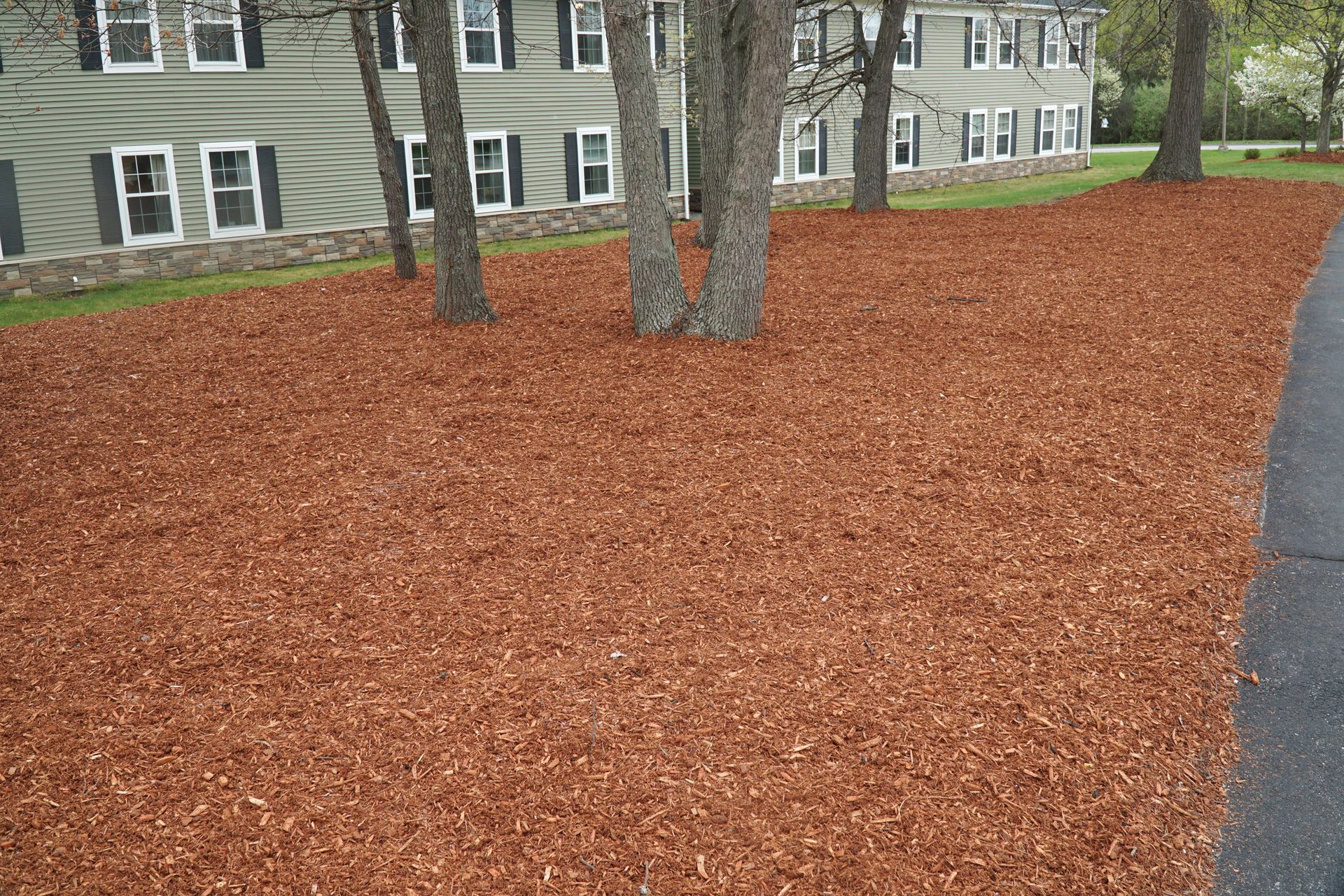
Careful mowing practices protect young turf blades while encouraging thick lateral tillering across the entire yard. Landscapers wait until the new grass reaches several inches in height before conducting the initial cut with sharp mower blades. Cutting only the top third of the leaf surface preserves plant vigor and prevents root shock during critical developmental phases. Regular maintenance, paired with selective bark blowing around garden borders, keeps the newly established grounds neat, protected, and weed-free.
Prevent Soil Erosion and Water Runoff
Erosion threatens the structural stability and aesthetic quality of residential yards, drainage swales, and commercial construction projects. Bare soil exposed to heavy rain displaces quickly, clouding local storm drains and stripping away valuable topsoil. Implementing effective erosion control methods stabilizes vulnerable terrain and prevents environmental runoff across unstable banks. Protective mulch layers absorb water impact and hold soil particles firmly in place while roots weave an interlocking underground network.
Combining rock slinging in critical drainage trenches with hydroseeding across vulnerable embankments establishes lasting ground stabilization. The quick-rooting turf works in tandem with functional drainage rock, channeling seasonal water safely away from foundations without washing away topsoil. Integrating durable vegetative groundcover alongside specialized mulching methods protects delicate hillsides from environmental degradation season after season.
Selecting the right turf establishment method depends on site grading, total square footage, and seasonal timing. Hydraulic slurry application offers versatile performance across expansive lawns, rolling hillsides, and critical restoration sites where conventional methods fall short. By combining thorough site preparation, tailored seed mixtures, and dedicated watering routines, property owners achieve dense, uniform ground cover that enhances outdoor living spaces.
Healthy landscapes thrive when backed by experienced craftsmanship, proven site preparation methods, and dependable groundcover solutions. Professional hydroseeding delivers the balance of speed, soil protection, and seed viability necessary for creating lasting turf on demanding sites. Whether your project involves stabilizing an exposed hillside, revitalizing a residential yard, or installing protective bark and rock across complex contours, our team delivers reliable craftsmanship tailored to your unique terrain. Contact us at Hydroseeding & Bark Blowers to discuss your next project and establish a vibrant, healthy landscape today.