October 31, 2026
Maintaining an attractive commercial property takes regular care and thoughtful planning. Outdoor areas influence how visitors, customers, employees, and tenants view a business. Healthy plants, clean landscape beds, and well-maintained grounds can create a welcoming appearance while supporting the long-term condition of the property. Mulch is a practical landscaping material that can help protect soil, manage moisture, limit weed growth, and improve the appearance of outdoor spaces. This article explains the main benefits of using mulch on commercial properties and how professional landscaping can support lasting results.
Improving Curb Appeal
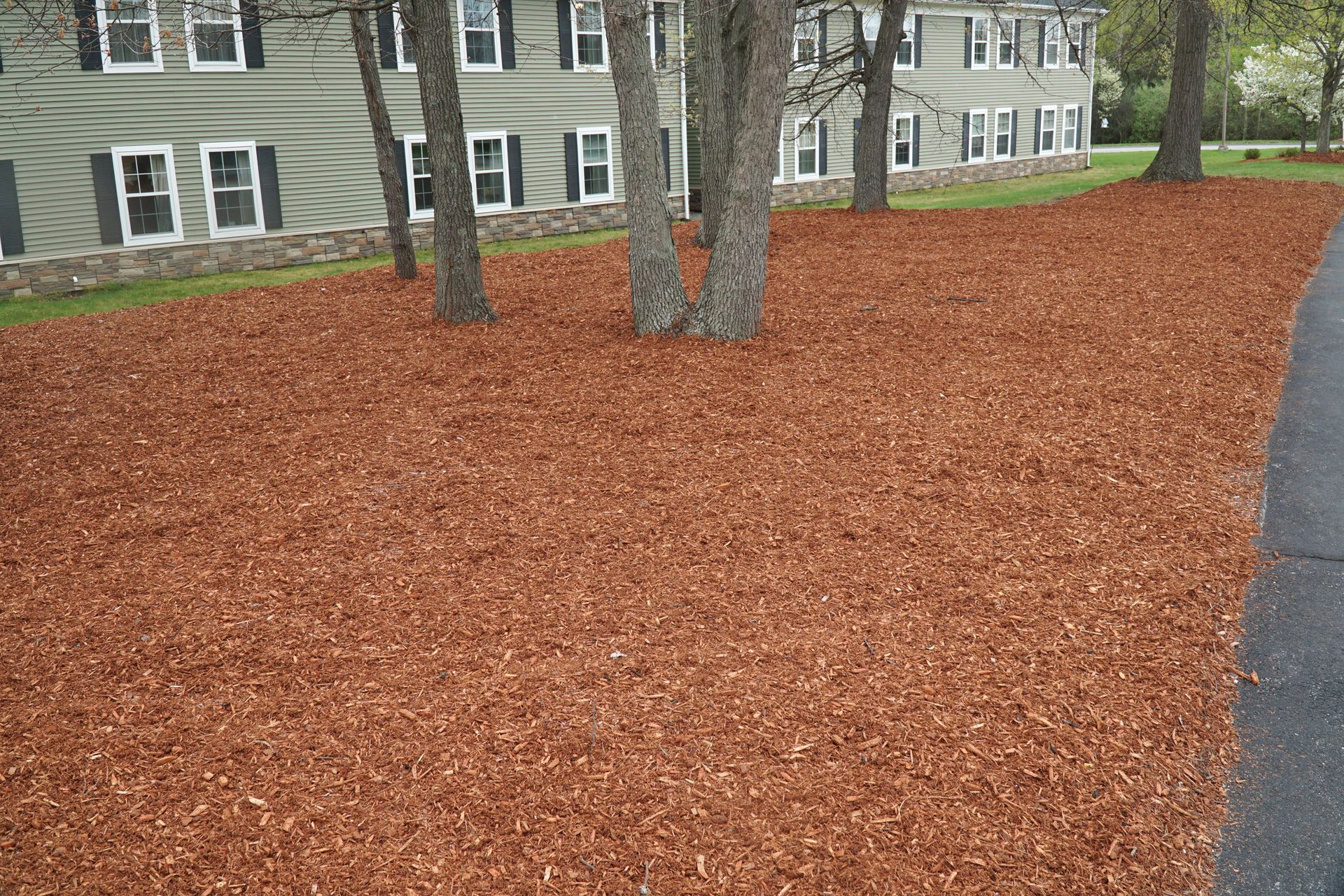
The appearance of a commercial property can influence the first impression people form when they arrive. Neat landscape beds, healthy plants, and clear walkways can make a business look more organized and welcoming. Maintaining these areas can also help create a consistent appearance across the property. Mulch provides a finished look for planting beds by covering exposed soil and creating a more uniform surface. It can help separate planted areas from lawns, sidewalks, and other parts of the landscape. When applied evenly, it creates a clean appearance that complements nearby buildings and outdoor features.
Color and texture also affect the overall look of a landscape. A consistent surface can help trees, shrubs, and flowers stand out while making different areas feel connected. This can be especially useful on commercial properties with several planting beds or large outdoor spaces. Seeking professional help can make it easier to choose an approach that fits the property's layout and appearance. A landscaping professional can assess the existing grounds and recommend ways to maintain a neat, consistent look. Regular care helps keep outdoor areas presentable as plants grow and weather conditions change.
Protecting Soil and Plants
Soil conditions play an important role in plant health. Soil that becomes too dry, loses nutrients, or experiences repeated temperature changes can create difficult growing conditions. Protecting the soil surface can help support the plants that contribute to a property's appearance. A layer of mulch acts as a covering between the soil and the surrounding environment. It can help reduce direct exposure to sunlight and wind, which may cause the soil to dry out more quickly. Organic materials can also break down over time, adding organic matter to the soil.
This protection can be useful around trees, shrubs, and other established plantings. Maintaining suitable soil conditions can help plants grow and support the overall condition of commercial landscape beds. Healthy plants can also contribute to a more attractive and comfortable outdoor environment. The amount and placement of material matter when protecting plants. Excessive buildup around tree trunks or plant stems can contribute to moisture-related problems. Applying the material at an appropriate depth and keeping it clear of sensitive plant areas can help prevent these issues.
Managing Moisture Levels
Water management is an important part of maintaining commercial landscapes. Plants need enough moisture to grow, but soil that dries out too quickly can place stress on roots and affect plant health. Areas exposed to direct sunlight or wind may be particularly vulnerable to moisture loss. Mulch can help slow evaporation by reducing the amount of sunlight that reaches the soil surface. This can help the soil retain moisture for longer periods between watering. While it does not remove the need for proper irrigation, it can support more consistent growing conditions.
Moisture retention can be helpful across larger commercial properties where landscape beds may cover extensive areas. Keeping soil from drying out too quickly can support established plantings and reduce some of the challenges associated with changing weather conditions. Drainage must also be considered. A landscape covering cannot correct poor grading or prevent all water-related problems. If water collects around plants or buildings, the underlying drainage conditions may need professional attention. A landscaping professional can assess the relationship between soil, water, and planting areas. This helps identify where moisture retention may be beneficial and where drainage improvements may be needed. Managing these conditions together supports healthier plants and more reliable landscape performance.
Reducing Weed Growth
Weeds can make commercial landscape beds appear neglected and compete with desirable plants for water, nutrients, and growing space. Regular weed management helps maintain a clean appearance and allows intended plantings to remain the main focus of the landscape. A suitable layer of mulch can limit weed growth by blocking some of the sunlight that weed seeds need to grow. It may also make it more difficult for certain weeds to establish themselves in covered areas. However, it does not prevent every weed from growing, particularly when seeds settle on top of the material.
Maintaining an even covering is important for getting these benefits. Thin areas may allow sunlight to reach the soil, while material that shifts or breaks down can leave gaps. Periodic inspections can help identify areas that need attention. Weed control is particularly important on commercial properties because landscape beds often contribute to the appearance of entrances, walkways, parking areas, and shared outdoor spaces. Keeping these areas maintained can help the entire property look more orderly. Seeking professional assistance can help establish a consistent maintenance plan. A landscaping professional can assess weed growth, identify areas where coverage has become uneven, and recommend appropriate care. Regular attention can reduce the chance of landscape beds becoming overgrown or difficult to maintain.
Supporting Long-Term Property Value
Well-maintained outdoor areas can contribute to the overall appeal of a commercial property. Landscaping helps shape how people view the building and its surroundings, while healthy plants and clean planting beds can create a more welcoming environment. These qualities may be valuable when attracting customers, tenants, or prospective buyers. According to Bankrate, landscaping can increase a property's resale value by up to 20% on average. This highlights the potential value of maintaining outdoor spaces as part of a property's overall presentation. While results vary depending on the property and the improvements made, consistent landscape care can contribute to a more appealing appearance.
Mulch gives planting beds a finished look while protecting soil, retaining moisture, and limiting some weed growth. These benefits help maintain a consistent landscape appearance. Regular maintenance can also help property managers balance appearance, costs, and long-term needs. While no single improvement guarantees higher property value, the building's condition, surrounding area, and overall landscaping all influence its appeal. A coordinated maintenance plan helps keep the grounds attractive over time.
Planning for Easier Maintenance
Commercial landscape maintenance requires coordination, especially on properties with extensive grounds. A clear plan helps property managers schedule care based on landscape type, weather, soil conditions, and foot traffic. Areas exposed to strong sunlight may need closer moisture monitoring, while planting beds near busy walkways may require more frequent inspections. Material depth should also be checked over time. As organic material breaks down, it becomes less effective at limiting weeds and reducing evaporation. Applying too much can cause other problems, so maintenance should account for existing conditions. Professional guidance can help establish a suitable schedule for checking plant health, drainage, and weed growth. Regular care supports the property's appearance, helps manage costs, and prevents minor issues from becoming more noticeable.
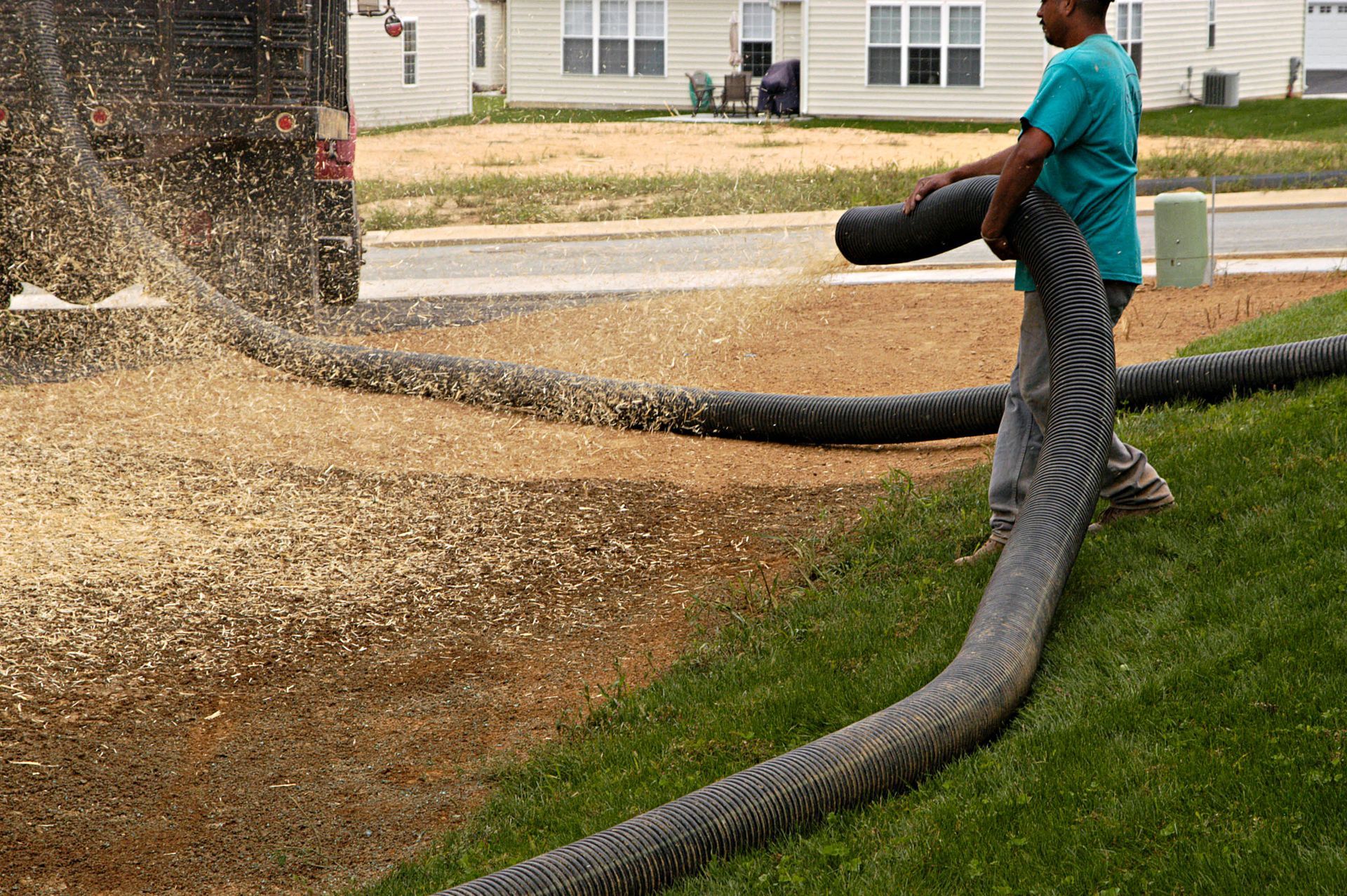
Maintaining commercial landscaping involves more than keeping outdoor areas clean. Soil health, moisture management, weed control, and consistent upkeep all contribute to the appearance and condition of the grounds. Mulch can support these goals by protecting the soil, helping retain moisture, and creating a neat finish around plants. When combined with regular landscape care, these benefits can help commercial properties remain attractive and functional. Professional planning can help determine the right approach for the site's conditions, while ongoing maintenance supports lasting results. For help with improving your commercial property's landscape, contact Hydroseeding & Bark Blowers to discuss how professional mulch installation can support healthier planting beds and a cleaner, more welcoming outdoor space.