August 29, 2026
Creating healthy vegetation can take time, especially when large areas of soil need to be covered. Traditional seeding methods may require extensive preparation and can make it difficult to achieve even coverage across the entire property. Hydroseeding offers an alternative approach by applying a mixture of seed, mulch, water, fertilizer, and other materials directly to prepared soil. This process can support faster and more consistent establishment when the site is properly prepared and maintained. Property owners may consider this method for residential lawns, commercial landscapes, construction sites, and areas affected by erosion. The application can also be adjusted based on the conditions of the property and the type of vegetation being established. Understanding the potential benefits of this process can help property owners decide whether it fits their landscaping or land-management goals. Here are eight advantages worth considering when planning your next vegetation project.
1. Supporting Faster Vegetation Establishment
One of the main reasons property owners consider hydroseeding is its ability to support efficient vegetation establishment. The seed mixture is applied with moisture and mulch, creating conditions that can help seeds remain in contact with the prepared soil. This differs from dry seeding, where seeds may be more exposed to wind, uneven distribution, or movement across the surface. The mulch component can also help retain moisture around the seeds during the early stages of growth. Consistent moisture is important because newly planted areas need appropriate conditions to begin developing. The application process allows large sections of land to be covered in a relatively efficient manner. Results can still vary based on weather, soil conditions, seed selection, watering, and ongoing maintenance. When these factors are properly managed, the process can help establish vegetation across a prepared area more effectively.
2. Creating More Consistent Seed Coverage
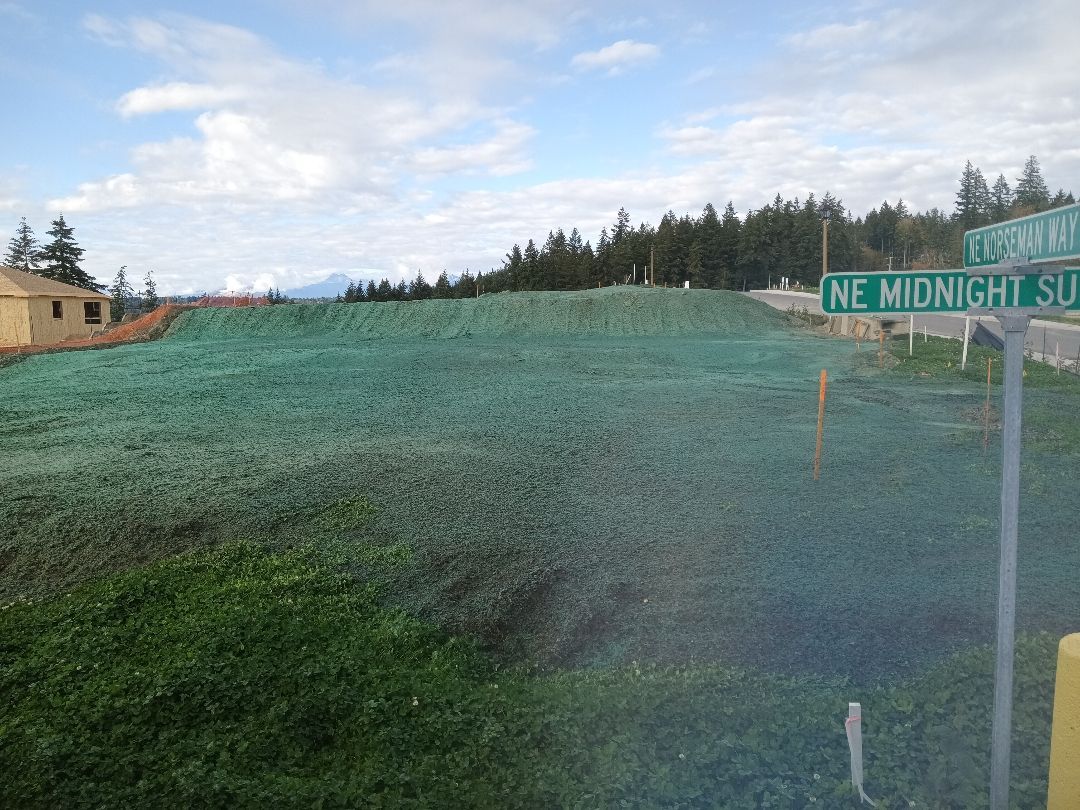
Achieving even seed distribution can be challenging when working with large or irregularly shaped properties. Manual methods may result in some sections receiving more seed than others, which can contribute to an inconsistent appearance as vegetation develops. Hydroseeding allows the seed mixture to be applied across the surface in a controlled and comprehensive way. Professionals can adjust the application to address slopes, curves, open spaces, and other site-specific conditions. This approach can help reduce bare spots that may occur when seeds are unevenly distributed. Consistent coverage is particularly useful for projects where the appearance of the finished landscape is an important consideration. The process can also be adapted to different seed varieties depending on the goals of the property. A more uniform starting point can support a fuller and more cohesive appearance as the vegetation becomes established.
3. Helping Control Soil Erosion
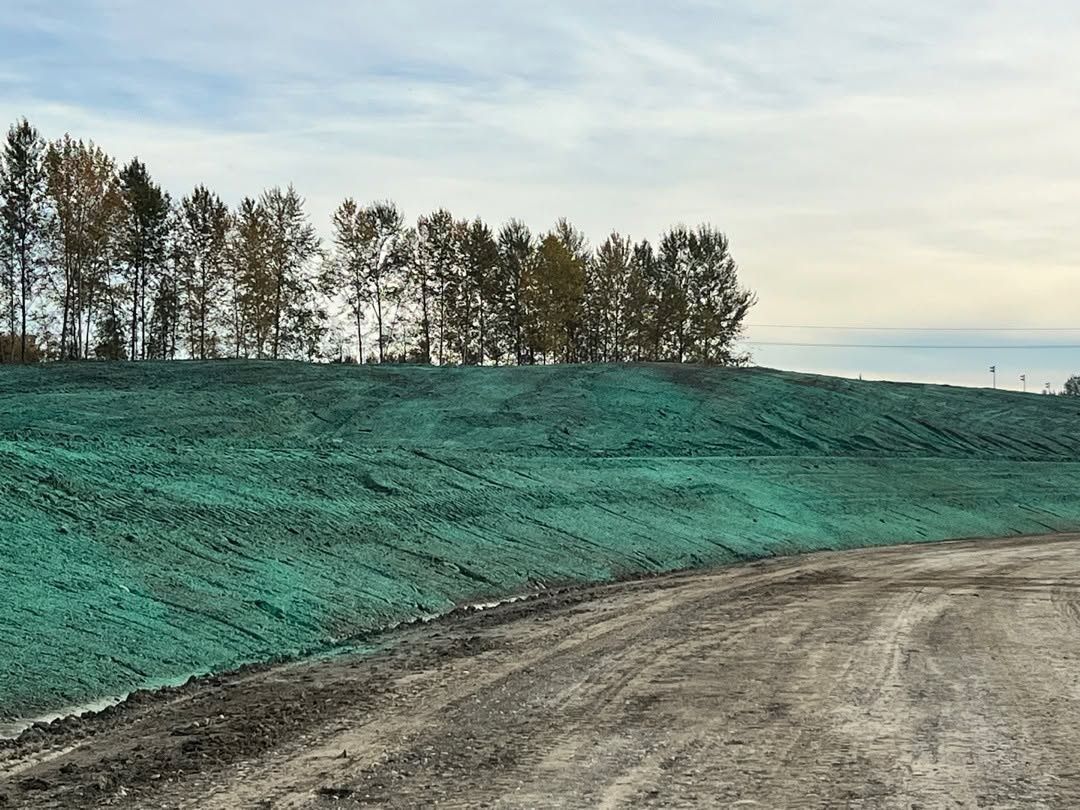
Bare soil can be vulnerable to movement caused by rainfall, wind, and other environmental conditions. This can be especially concerning on slopes, construction sites, and areas where existing vegetation has been removed. Hydroseeding can provide a layer of mulch and seed that helps cover exposed soil during the establishment process. According to Emergen Research, the global market for this application was valued at approximately $1.2 billion in 2024 and is projected to reach about $2.1 billion by 2034, indicating continued demand for solutions that support erosion management and faster vegetation growth. The mulch layer can help reduce direct exposure to certain weather conditions while the vegetation begins to develop. As roots become established, they can further contribute to holding soil in place. The specific results will depend on the slope, soil composition, weather, and type of vegetation selected. Using an approach designed around the conditions of the property can support more effective long-term land management.
4. Covering Large Areas More Efficiently
Large properties can require significant time and effort when vegetation must be established across extensive areas. Traditional planting methods may involve repeated trips across the site to distribute seed and other materials. Hydroseeding can simplify the application process by combining several materials into one mixture that is sprayed over prepared ground. This can make it a practical option for properties with broad open areas or challenging layouts. The process may also help contractors complete certain stages of a landscaping or restoration project more efficiently. Fewer separate application steps can help keep the project organized and reduce unnecessary delays. Equipment can be used to reach areas that may be difficult to address with certain manual methods. Efficient coverage allows property owners to move forward with the next stages of their outdoor improvement plans.
5. Customizing Mixtures for Site Conditions
Different properties have different soil types, moisture levels, sun exposure, and vegetation goals. A single seed mixture may not be appropriate for every location or project. Hydroseeding allows professionals to select and prepare a mixture based on the needs of the specific site. Seed varieties can be chosen with consideration for the climate, intended use of the land, and desired appearance. Additional materials may also be incorporated to support the establishment process under certain conditions. This level of customization can be valuable for residential lawns, commercial properties, roadside areas, and land restoration projects. A carefully selected mixture can help ensure the application aligns with the property's overall landscaping objectives. Planning the materials around site conditions can provide a more targeted approach to establishing new vegetation.
6. Improving Moisture Retention Around Seeds
Seeds require appropriate moisture during the early stages of development. Dry or exposed soil can make it more difficult to maintain the conditions needed for consistent growth. The mulch used in hydroseeding can help retain moisture around the seeds after application. This added coverage may reduce how quickly the soil surface dries under certain conditions. Proper watering is still essential, especially during periods of limited rainfall or high temperatures. Property owners should follow recommended maintenance practices to support successful establishment. The amount of water required can vary depending on weather, soil, seed type, and other environmental factors. Creating a more protected environment around the seeds can support the early development of new vegetation.
7. Reaching Difficult Landscape Areas
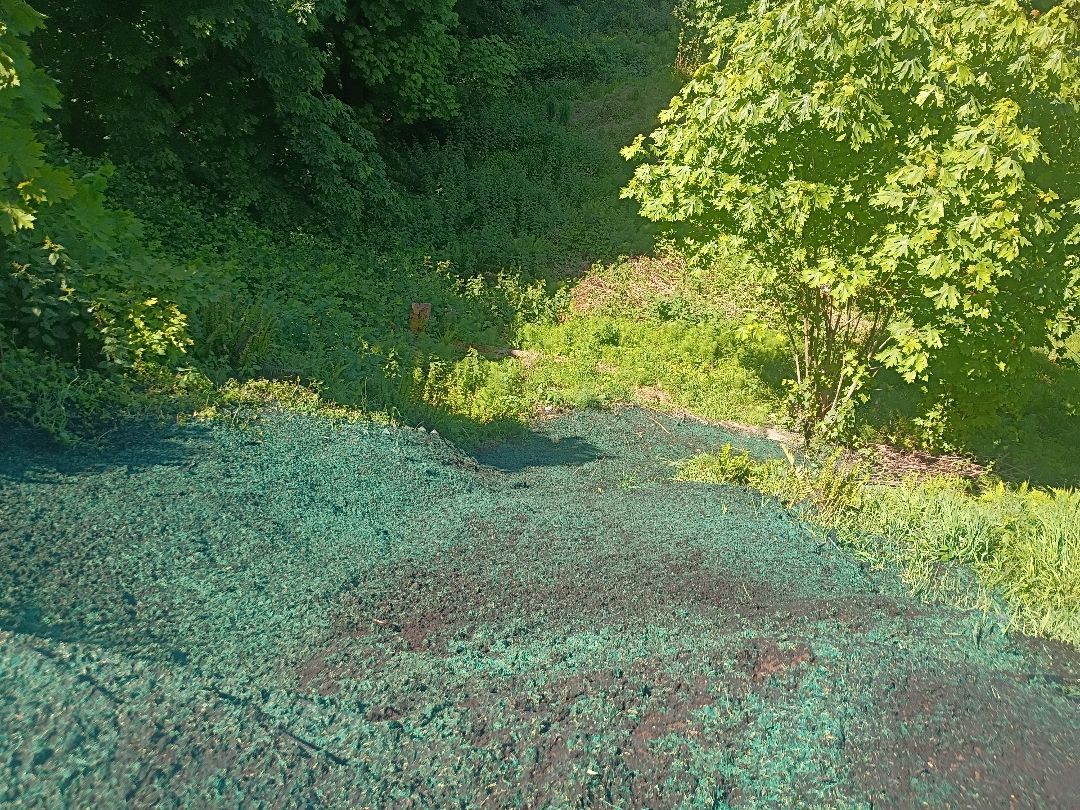
Some sections of a property may be difficult to access using traditional planting equipment. Slopes, uneven ground, and irregular spaces can create challenges when distributing seed evenly by hand or with standard machinery. Hydroseeding can be applied to many of these areas using equipment designed to distribute the mixture across the prepared surface. This makes it useful for projects involving embankments, hillsides, drainage areas, and other challenging locations. A professional can evaluate the terrain and determine the most appropriate application approach for the property. The ability to cover irregular surfaces can help create more consistent vegetation across the entire site. Proper preparation remains important because the condition of the soil can affect how well new growth becomes established. Choosing a method suited to the layout of the property can simplify projects involving difficult terrain.
Establishing vegetation is often only one part of a larger landscaping or property improvement plan. Healthy ground cover can contribute to the appearance, usability, and overall management of an outdoor space. Hydroseeding may support these goals by providing an efficient way to introduce vegetation across a prepared area. The selected seed mixture can be based on whether the property owner wants a lawn, erosion control, restoration, or another type of ground cover. Continued watering, mowing, and maintenance can help the vegetation develop after the initial application. Property owners should also monitor the area for changes in growth and address concerns as they arise. Starting with a carefully planned application can create a foundation for future landscaping improvements. By considering the property's specific conditions and long-term goals, owners can choose an approach that supports a healthier and more functional outdoor environment.
Ready to establish healthy vegetation and improve the appearance of your property? Contact Hydroseeding & Bark Blowers today to learn more about your options and schedule a professional consultation for your next project.